
Walk into most homes today, and you will notice a persistent problem: blank, lifeless walls that do nothing for the character of a room. Paint fades, wallpaper peels, and plain plaster feels like an afterthought. Wall panels are rewriting that story in 2026.
Far from being a passing trend, wall panelling has matured into a full-fledged design discipline. It solves acoustic issues, adds architectural depth, conceals imperfections, and above all, transforms how a space feels to live in. Whether you are designing a luxury penthouse or freshening up a compact apartment, the right wall panel makes your interior work harder and look better.
This guide covers the 10 wall panel designs that leading interior designers, architects, and interior design studios are installing right now, complete with expert tips, material insights, and clear answers to the questions homeowners ask most.
10 Wall Panel Designs Reshaping Modern Interiors
- Fluted & Reeded Panels Trending
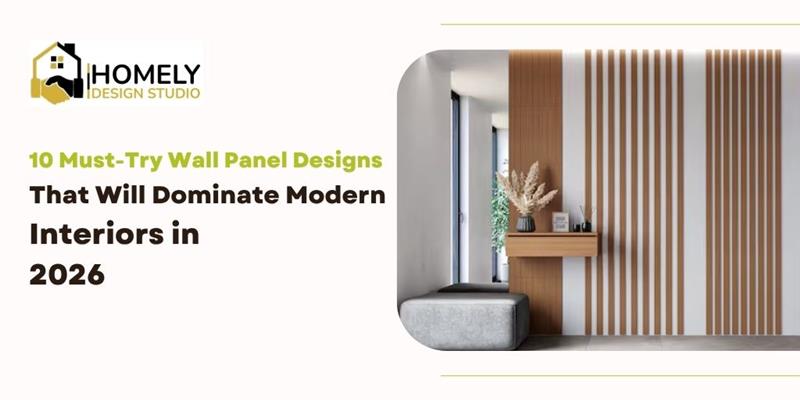
Fluted ones feature vertical grooves that run in rhythmic repetition. They have dominated luxury interiors since 2024, and in 2026, they show no sign of slowing down. What makes them timeless is their architectural honesty: the pattern creates shadow lines that add visual depth without the need for art or décor. They work beautifully in wood veneer, MDF lacquer, stone composite, and even powder-coated metal.
Designer Tip: Use fluted panels floor-to-ceiling in a living room to visually elongate ceiling height. Pair warm walnut fluting with matte brass hardware for a premium, cohesive look.
- Japandi-Inspired Wabi-Sabi Panels
The Japandi aesthetic is a fusion of Japanese minimalism and Scandinavian function. It has found its truest expression in wall panels for 2026. Think rough-sawn timber, limewash plaster sheets, handmade clay tiles, and textured concrete boards. The beauty is intentionally imperfect. These solve the problem of too-polished, too-cold that many modern homes suffer from. It injects warmth and story into blank walls without clutter.
Best For: Bedrooms, meditation rooms, and entryways where calm and grounding are the goal. Combine with natural linen drapes and low-profile furniture.
- 3D Geometric Relief Panels Statement
Three-dimensional sheets have evolved far beyond the chunky honeycomb tiles of a decade ago. In 2026, CNC-precision geometric reliefs in gypsum, MDF, and lightweight polyurethane create dramatic shadow-play that changes with the light throughout the day. A single accent wall in a drawing room, dining space, or behind a bed headboard becomes the room’s undeniable focal point. It eliminates the need for expensive art installations.
Problem Solved: If a room feels flat and uninspiring despite good furniture, a 3D relief panel instantly adds dimension and a sense of luxury.
- Boucle & Fabric-Upholstered Wall Panels
Soft wall panels are no longer limited to home theatres. In 2026, fabric-upholstered in boucle, velvet, linen, and textured weaves is appearing in living rooms, bedrooms, and even luxury dining rooms. Beyond aesthetics, these deliver genuine acoustic performance. They absorb sound, reduce echo, and make spaces feel intimate. They are also perfect for rental apartments where drilling into walls is restricted.
Practical Bonus: Upholstered panels can be installed as free-standing or modular systems—no permanent wall alterations required.
- Venetian Plaster & Limewash Panels Luxury
Applied finishes have returned with a vengeance. Venetian plaster sheets are applied in multiple translucent layers, burnished to a soft sheen. This creates a depth and luminosity that no paint can replicate. Limewash finishes, on the other hand, give an aged, European villa quality that ages beautifully. Both finishes are low-VOC, breathable, and anti-microbial, making them as responsible as they are beautiful.
Interior Design Insight: These are frequently specified by interior design studios for high-end residential projects because they photograph beautifully and hold their value over time.
- Sustainable Cork & Reclaimed Wood Panels
Eco-conscious design is no longer a compromise; it is the aspiration. Reclaimed wood panels sourced from old furniture, demolished buildings, or certified sustainable forests bring irreplaceable character: grain patterns, knots, and natural colour variations that factory-made materials cannot imitate. Cork panels, meanwhile, offer extraordinary thermal and acoustic insulation in a material that is harvested without cutting trees.
Who Needs This: Homeowners who want a unique, one-of-a-kind wall story with a lower environmental footprint and the provenance to back it up.
- Backlit Onyx & Translucent Stone Panels Ultra-Luxury
The most show-stopping wall panel trend of 2026 is thin-cut natural stone — onyx, alabaster, and quartzite backlit with warm LED technology. When light passes through these semi-translucent slabs, the natural veining glows like stained glass. They are the ultimate expression of luxury in a bar cabinet, master bedroom feature wall, or entrance lobby. The effect is simply not achievable with any synthetic material.
Design Reality: These require structural planning and experienced installation. Always work with a professional interior design service to specify the right stone thickness and LED system.
- Micro-Cement & Polished Concrete Sheets
Micro-cement panels deliver the cool, industrial refinement of concrete without the weight or structural constraints. This year, they are being used across residential and commercial interiors alike as bathroom feature walls, kitchen splashbacks, or living room accents. They create a monolithic quality that reads as calm, confident, and architectural. They are also fully waterproof when correctly sealed.
Styling Tip: Contrast the cool grey of micro-cement with warm-toned wood flooring and ambient lighting to balance the industrial with the inviting.
- Laser-Cut Metal Screen Panels Contemporary
Laser-cut screens in brass, corten steel, and powder-coated aluminium are one of the most versatile panel types available. Used as room dividers, feature walls, staircase backdrops, or balcony privacy screens, their precision-cut geometric or organic patterns create intricate shadow effects that animate a space throughout the day. Custom patterns, including traditional motifs reinterpreted in modern form, are increasingly popular in premium residential interiors.
Dual Function: They solve two problems at once. They create visual interest while providing privacy or zoning between spaces.
- Smart & Integrated Tech Panels
The future of wall panels is intelligent. In 2026, sheets that integrate LED lighting, wireless charging pads, embedded sound systems, and even e-ink digital art displays are entering high-end residential projects. These are not gimmicks; they represent the convergence of architecture and technology, where the wall becomes a functional, interactive surface. Concealed behind premium finishes like leather, fabric, or lacquer, the technology remains invisible until needed.
Forward Thinking: When undertaking a full home renovation, pre-wiring walls for smart panel integration adds minimal cost during construction but enormous value at completion.
The wall is no longer the background. In 2026, it is the design statement, a surface that carries texture, story, function, and character all at once. The most transformative interiors we see today are led by how walls are treated, not by furniture or décor alone.
How to Choose the Right Wall Panel for Your Space?
Consider the Room’s Purpose
Acoustic fabric panels suit bedrooms; moisture-resistant micro-cement suits bathrooms; statement 3D sheets work best in living and dining spaces.
Match Scale to Room Size
Large 3D geometric patterns can overwhelm a small room. Choose fine fluting or subtle limewash finishes for compact spaces to avoid visual noise.
Budget for Installation
The panel material is only part of the cost. Proper substrate preparation, waterproofing, and skilled installation significantly affect the final result and longevity.
Work with Professionals
For any panel beyond paint or basic MDF, engaging a qualified interior design studio ensures material compatibility, structural safety, and design coherence.
Your Walls Deserve Better — Here’s Where to Start!
Wall panels in 2026 are not an indulgence reserved for showrooms and hotels. They are a practical, high-impact design solution for any home that takes its interiors seriously. Whether you are drawn to the organic warmth of reclaimed wood, the drama of backlit onyx, or the quiet sophistication of Venetian plaster, there is a panel design that fits both your aesthetic and your budget.
The key is to move beyond trend-chasing and think about what your space actually needs. Does it need warmth? Acoustic comfort? A focal point? A sense of height? Each of the ten panel types in this guide solves a distinct problem — and the best designs often combine two or more approaches in a single space.
The homeowners and designers who understand these materials deeply will consistently produce interiors that feel both current and enduring. If you are ready to bring any of these ideas to life, working with an experienced team makes all the difference. Homely Design Studio, a trusted luxury home interior design company in Mumbai, brings deep expertise in premium wall treatments, material specification, and full-service interior design. With a portfolio spanning modern residences, luxury apartments, and bespoke home renovations, we translate design ambition into spaces that are genuinely beautiful, functional, and built to last.
Frequently Asked Questions
- What is the most popular wall panel material for homes?
Fluted MDF and wood veneer panels continue to lead in residential interiors due to their versatility, cost-effectiveness, and premium appearance. For ultra-luxury homes, Venetian plaster and backlit natural stone are increasingly the first choice. The “most popular” material ultimately depends on the budget, room function, and the home’s overall design language.
- Are wall panels expensive to install?
Costs vary significantly by material and complexity. Basic MDF fluted panels can be relatively affordable when installed across a single accent wall. Premium options like natural stone, reclaimed wood, or smart-integrated panels represent a larger investment. However, they typically deliver a high return on property value enhancement and the visual transformation they create, making them a cost-effective upgrade in the long run.
- Can wall panels be installed in rental apartments?
Yes. Several types are designed with rental-friendly installation in mind. Modular fabric-upholstered panels, magnetic wall systems, and adhesive-backed 3D tiles can all be installed and removed without damaging the original wall surface.
- Do wall panels help with soundproofing?
Fabric, cork, and acoustic foam-backed panels provide meaningful sound absorption — reducing echo and improving room acoustics noticeably. They are not a substitute for full structural soundproofing (which requires work within wall cavities), but for everyday acoustic comfort in living rooms, bedrooms, and home offices, upholstered and cork sheets make a genuine difference.
- Which ones are best for humid areas like bathrooms and kitchens?
For bathrooms and kitchens, moisture resistance is non-negotiable. Micro-cement panels, PVC wall panels, glass panels, and certain stone composites perform well in humid conditions. Avoid MDF, standard gypsum, and natural wood in areas with direct water exposure unless they are specifically treated and sealed for that purpose.
- How do I maintain wall panels?
Maintenance depends on the material. Wood veneer and MDF panels benefit from occasional dusting and a light polish. Micro-cement and Venetian plaster sheets need periodic resealing every few years. Fabric ones can usually be spot-cleaned or have removable covers for washing. Stone panels require pH-neutral cleaners. Your interior design studio should provide a specific care guide at the time of installation.