
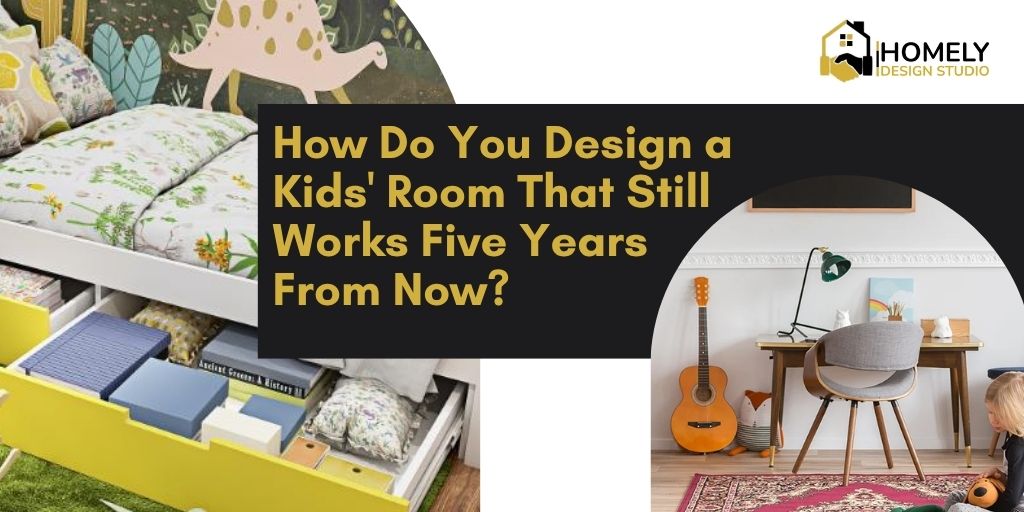
Every parent knows the feeling. You spend weeks transforming your child’s bedroom into a dreamy space filled with their favourite cartoon characters, tiny furniture, and pastel everything. Two years later, they declare they are “too old” for all of it, and the whole process starts again.
Designing a kids’ room that genuinely grows with your child is one of the smartest investments you can make in your home. It saves money, reduces waste, and keeps your child comfortable in a space that actually suits who they are becoming, not just who they were. Here is how to get it right from the very beginning.
Start With a Layout That Has Room to Breathe
The biggest mistake parents make is filling every corner of a kids’ room at once. A room that feels full and fun at age four becomes cramped and suffocating by age nine. Instead, plan your layout with intentional open floor space.
Think about how your child currently uses the room and how those habits might change. A toddler needs open space for playing on the floor. A school-age child needs a proper study zone. A pre-teen needs a corner they can call their own, maybe a reading nook or a place to pursue a hobby.
When you plan your layout early with these phases in mind, you are not constantly rearranging heavy furniture or starting from scratch. The bones of the room stay intact, and only the details shift.
Invest in Furniture That Adapts
Furniture is where most of the long-term value in a kids’ room either lives or dies. Choosing pieces that can adapt over time is one of the core principles behind smart home interior design ideas.
Here are some furniture choices worth considering:
- Convertible beds: Toddler beds that convert to full-size beds, or bunk beds with a detachable lower unit, can easily transition from the early years into the teen phase without replacement.
- Adjustable desks and chairs: A desk with height-adjustable legs paired with an ergonomic chair that grows with the child supports healthy posture at every age.
- Wardrobes with flexible interiors: Modular wardrobe systems allow you to rearrange hanging rails, shelves, and drawers as clothing sizes and storage needs change. What holds tiny onesies today can be reconfigured for school uniforms and sports gear tomorrow.
- Bookshelves with neutral styling: Low bookshelves work as toy storage at age three and as proper book storage by age eight. Choose a simple, neutral design so they never look out of place.
The key principle: avoid furniture that is only functional at one stage of childhood.
Choose a Colour Palette That Can Grow Up
Bright, theme-heavy colour palettes are undeniably charming in a nursery. But painting murals of dinosaurs or unicorns across every wall creates a room that your child will want to redecorate long before the paint has a chance to fade.
A smarter approach is to build on a neutral base and bring colour in through accessories. Choose a soft, warm white or a muted earthy tone for walls. Then layer in colour through bedding, curtains, rugs, and wall art. These elements are inexpensive and easy to swap out as your child’s tastes evolve.
If your child is set on a themed room, consider a feature wall instead of a full room transformation. A single accent wall in a bold colour or with themed wallpaper scratches that creative itch without locking you into a complete overhaul when interests change.
Build in Flexible Storage from Day One
Storage is the unsung hero of a well-designed kids’ room. Children accumulate stuff at a remarkable pace, and the type of stuff changes constantly. Plastic toys give way to art supplies, which give way to sports equipment, which give way to electronics and books.
Designing storage that is flexible enough to handle all of this is genuinely worthwhile:
- Under-bed storage is one of the most underutilised spaces in a kids’ room. Beds with built-in drawers or a high enough clearance for rolling bins make a significant difference.
- Open shelving at multiple heights gives younger children access to their own belongings, encouraging independence, while upper shelves can hold items that need to be out of reach or are used less frequently.
- Pegboards and wall-mounted organisers are fantastic for art supplies, small collections, and accessories. They are easy to reconfigure and keep floor space clear.
- Labelled bins and baskets help children of any age maintain order because the system is intuitive.
The goal is to give the room more storage capacity than you think you need right now. You will almost certainly use it.
Lighting Deserves More Attention Than It Gets
Most people default to a single overhead light in a kids’ room and leave it at that. But layered lighting serves children remarkably well across different ages and activities.
Consider incorporating:
- A warm, dimmable overhead light that can be softened for bedtime routines or brightened for active play.
- A dedicated task light at the study desk that provides focused illumination without straining young eyes during homework or reading.
- A soft nightlight or bedside lamp for children who are not yet comfortable sleeping in complete darkness.
As your child grows, their need for a nightlight will likely fade, but the desk lamp and dimmable overhead will serve them right through their teenage years. Good lighting is one of those investments that quietly pays off every single day.
Think About the Study Zone Early
Even if your child is not yet school-age, planning for a dedicated study zone within the room is one of the most forward-thinking decisions you can make. Many parents retrofit this space years later, often at the cost of disrupting the rest of the room’s layout.
A good study zone includes a properly sized desk, an adjustable chair, adequate lighting, and nearby storage for stationery, books, and school supplies. Positioning it near a window is ideal for natural light during the day.
If space is tight, a wall-mounted fold-down desk is a clever solution. It takes up almost no floor space when not in use and can be added at any point in the room’s evolution.
Involve Your Child
Children who have some say in their room design are more invested in keeping it tidy and feel a stronger sense of ownership over their space. But handing over full creative control to a seven-year-old tends to produce rooms that need replacing by the time they are nine.
The solution is structured involvement. Let your child choose from a curated selection of options you have already approved. Do you want the blue or the green rug? Should the wall art be animals or botanicals? Would you like the top bunk or the bottom? This approach gives them a real voice while keeping the overall design sensible and age-proof.
As they get older, you can widen the parameters. A twelve-year-old can absolutely have more say over their colour scheme than a five-year-old, because their taste is more settled and the room will not need changing again as quickly.
The Materials You Choose Matter
In a kids’ room, surfaces take a beating. Spills, scuffs, sticky fingers, and enthusiastic craft projects are not occasional events. They are practically daily life. Choosing materials that are durable, easy to clean, and non-toxic is not just practical. It is genuinely important for a child’s health and wellbeing.
A few principles to keep in mind:
- Flooring: Hardwood or easy-clean laminate is far simpler to maintain than carpet, and a quality rug adds warmth without being permanently fixed. Rugs can be washed, replaced, or moved.
- Paint: Choose washable, low-VOC paints. They hold up to cleaning, and they are better for indoor air quality, which matters especially in a room where a child sleeps eight or more hours a night.
- Soft furnishings: Opt for removable, machine-washable covers wherever possible. Cushions, duvet covers, and even some curtains should ideally go straight in the washing machine.
Work With a Professional for Long-Lasting Results
Designing a room that looks beautiful now and continues to function well five years from now requires a kind of spatial thinking and material expertise that does not come naturally to most homeowners. That is not a criticism. It simply reflects the reality that good interior design is a skill that takes years to develop.
An experienced interior designer will ask questions you have not thought to ask, suggest solutions you would not have considered, and help you avoid the expensive mistakes that come from getting it wrong and starting over.
Design It Once, Grow Into It Together!
A well-planned kids’ room is one of the most rewarding investments you can make in your home. When it is done thoughtfully, it provides a safe, stimulating, and genuinely beautiful space that supports your child through multiple stages of development without constant reinvention.
The principles are straightforward: flexible furniture, a neutral base with adaptable accents, layered lighting, smart storage, and durable materials. The execution, however, benefits enormously from professional expertise.
That is exactly where Homely Design Studio comes in. Widely regarded among the best interior designers in Mumbai for home projects, we bring a thoughtful, research-backed approach to every room we design. Our team understands that a children’s room is not just a decorating project. It is a long-term space for a growing person, and it deserves the same care and expertise as any other room in your home.
If you are ready to design a kids’ room that your child will genuinely love now and still feel at home in years from now, reach out to Homely Design Studio today. Book a consultation and let their team help you create a space built to grow alongside the most important people in your life.