
homely design studio

luxury kitchen interior design

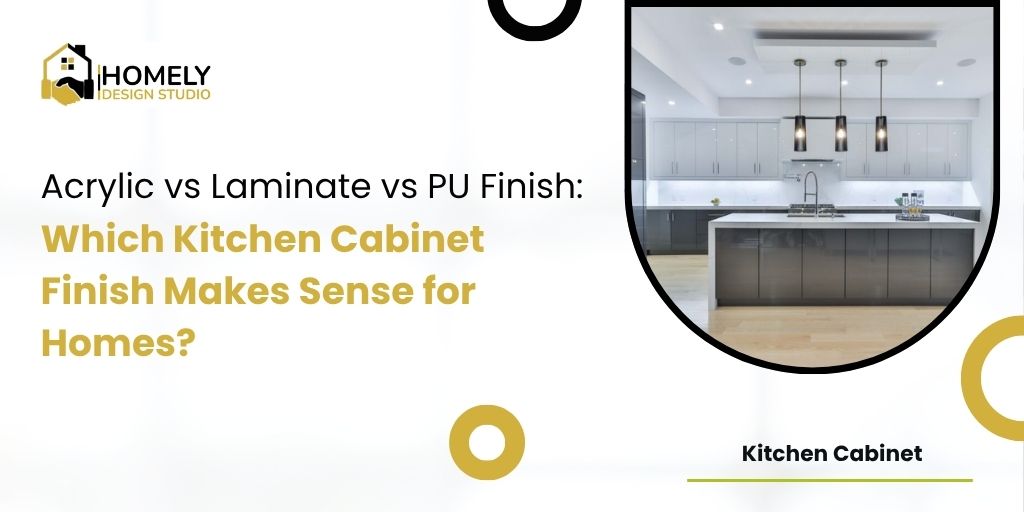
Acrylic vs laminate vs PU finish comparison for kitchen cabinets in modern kitchen interior design by Homely Design Studio
kitchen interior designer, modern kitchen interior design

Acrylic vs Laminate vs PU Finish: Which Kitchen Cabinet Finish Makes Sense for Homes?

Choosing a kitchen cabinet finish feels a lot like choosing a car. Everyone has an opinion; the salesperson swears by their favourite, and you are left wondering what actually fits your life. If you have ever searched for a kitchen interior designer to help you plan your dream cooking space, you have probably run into three names again and again: acrylic, laminate, and PU finish. Each one changes the look, feel, budget, and upkeep of your kitchen in a real way, so this is not a decision to rush. In this guide, we will break down what each finish actually is, how they compare on things that matter (durability, cost, maintenance, and style), and which one suits different types of homes. Whether you are dreaming of a modern interior with clean, glossy surfaces or a luxurious one that feels rich and timeless, understanding these finishes will help you make a confident, informed choice. Why the Cabinet Finish Matters More Than You Think? The cabinet finish is not just about looks. It affects how your kitchen handles daily spills, steam, grease, sunlight, and years of use. A wrong choice can mean chipped edges within two years or a finish that yellows under kitchen lighting. A good choice, on the other hand, can keep your kitchen looking fresh for over a decade with minimal effort. Since the cabinet finish covers the largest visual surface area in your kitchen, it directly shapes the mood of the room. Glossy acrylic can make a small kitchen feel brighter and larger. A matte laminate can bring a calm, understated elegance. A PU finish often strikes a balance between the two, offering depth and a premium hand feel. Getting this right early saves you from expensive regrets later. What Is Acrylic Finish? Acrylic is a high-gloss, resin-based sheet that is bonded onto MDF (medium-density fibreboard) panels under heat and pressure. It is known for its mirror-like shine and vibrant colour options. Pros of Acrylic: Extremely glossy, reflective surface that instantly brightens a kitchen Scratch-resistant top layer compared to basic laminates Wide colour palette, including bold shades like reds, blues, and metallics Easy to wipe clean since it does not absorb stains easily Cons of Acrylic: Shows fingerprints and smudges more visibly due to the glossy surface Slightly higher cost compared to laminate Edges can be prone to chipping if not handled carefully during installation Not the best choice in extremely humid coastal climates unless properly sealed Acrylic works beautifully for homeowners who want a bold, contemporary look. It is a favourite choice among designers creating a modern kitchen interior design because of how it plays with light and colour. What Is Laminate Finish? Laminate is one of the oldest and most widely used cabinet finishes in Indian homes. It is made by layering paper with resin and pressing it onto a base board, giving it a durable, budget-friendly surface. Pros of Laminate: Most affordable of the three finish types Available in an enormous range of textures, including wood grain, matte, and stone finishes Naturally resistant to heat and minor scratches Low maintenance and easy to clean with a damp cloth Cons of Laminate: Less glossy and reflective compared to acrylic or PU Lower-end laminates may peel off at the edges over many years Colour options can look flatter compared to the depth of PU or acrylic Repair or touch-up can be tricky if a section gets damaged Laminate remains a smart, practical choice for families who want durability without stretching their budget. It is especially popular in rental homes, budget renovations, and kitchens where function takes priority over high shine. What Is PU (Polyurethane) Finish? PU finish is a paint-like coating applied to cabinet doors in multiple layers, then polished to achieve either a glossy or matte look. It is considered one of the more premium finishes available today. Pros of PU Finish: Extremely smooth, seamless look with no visible joints Can be customised in almost any colour, including soft pastels and deep tones More resistant to chipping compared to acrylic since it is applied as a coating, not a sheet Offers a rich, almost velvety texture that feels premium to the touch Cons of PU Finish: Generally, the most expensive of the three options Requires skilled application, so quality depends heavily on the installer Can show wear over many years if not maintained with the right cleaning products Longer production and installation time compared to laminate or acrylic PU finish is often the top pick for a luxury kitchen interior design, especially when homeowners want a bespoke, boutique feel rather than a factory-made look. Which Finish Should You Choose? There is no single right answer here. It genuinely depends on your priorities, your budget, and how your family uses the kitchen. If you are working with a tighter budget and want something practical and long-lasting, laminate is a dependable choice. If you want your kitchen to feel bright, energetic, and contemporary without spending a fortune, acrylic strikes a strong middle ground. If budget is not the main concern and you want a kitchen that feels custom-made and truly premium, PU finish is worth the investment. This is exactly the kind of decision where working with an experienced interior designer makes a real difference. A good designer will look at your kitchen’s lighting, ventilation, usage pattern, and overall home style before recommending a finish, rather than pushing whatever is trending that season. A Few Practical Tips Before You Decide Before finalising your cabinet finish, keep these points in mind: Always ask for physical samples rather than deciding from a catalogue photo, since lighting changes how a finish looks. Consider your kitchen’s exposure to sunlight, since some finishes fade faster under direct light. Think about your cleaning habits. If you cook frequently with heavy spices and oil, a low-maintenance finish saves you daily effort. Ask about warranty terms for each finish type, since PU and acrylic often come with different coverage periods. Factor in resale value if
Modern Kitchen Interior Design: What Designers Ask First
home interior design ideas, interior design firm in Mumbai, Interior Design Studio, interior designers, luxury kitchen interior design

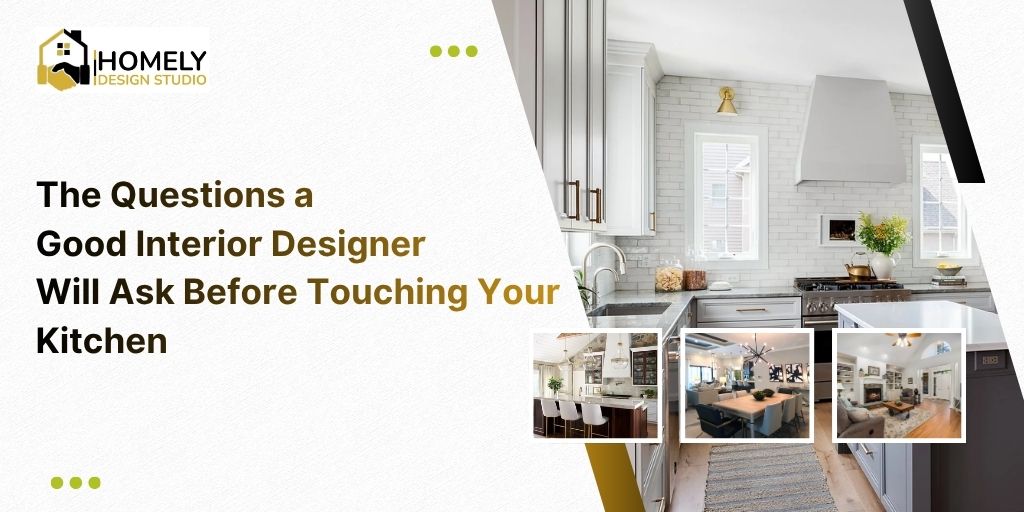
The Questions a Good Interior Designer Will Ask Before Touching Your Kitchen

Most people expect a kitchen consultation to begin with material samples, cabinet catalogues, and colour swatches. So when a genuinely skilled designer opens the conversation with a series of questions instead, it can feel unexpected. Even a little strange. But here is the truth: the questions asked before a single design decision is made are what separate a kitchen that looks good in photographs from one that actually transforms how you live. If you are searching for a kitchen interior designer near me and wondering how to evaluate who is worth your time and trust, pay close attention to what they ask you in that first meeting. It tells you almost everything. Why the Right Questions Come Before Any Design Work A kitchen is not just a room. It is the most functionally complex space in most homes. It has to manage food storage, food preparation, cooking, cleaning, social interaction, and in many Indian households, significant daily cooking that involves steam, spice, and sustained high-heat use. Getting this room wrong is expensive and disruptive to fix. A designer who rushes to show you their portfolio before understanding your life is essentially guessing at what you need. A designer who asks the right questions first is building a brief that makes every decision that follows more purposeful, more accurate, and more likely to age well. Here are the questions a good designer will ask, and why each one matters. “How Many People Use This Kitchen, and When?” This is almost always the first question, and it sounds deceptively simple. But the answer shapes the entire spatial logic of the room. A kitchen used primarily by one person who cooks quietly in the evenings needs different planning than a kitchen used simultaneously by two people during hectic weekday mornings. A household with young children who drift in and out of the kitchen throughout the day needs different safety considerations and traffic flow than an empty nest home. The answer to this question influences everything from the width of the work corridor to the placement of the refrigerator to how many accessible storage zones the room actually needs. “What Does a Typical Day of Cooking Look Like in Your Home?” This question is where a good designer starts building a true picture of your cooking life rather than a generic version of it. Do you cook one large meal in the evening or multiple meals across the day? Do you bake regularly, which means you need specific counter heights and storage for large equipment? Do you make fresh rotis every morning, which means your cooktop placement and ventilation needs are different from someone who relies primarily on an oven? For a luxury kitchen interior design project, this question is particularly important. High-specification kitchens are only worth the investment when every element of the design supports how the kitchen is actually used. A six-burner range is a wonderful addition to a household that needs it. In a home where only two burners are ever used at once, it is an expensive statement piece that crowds the workspace. “What Frustrates You Most About Your Current Kitchen?” This question is pure gold, and a surprising number of designers skip it entirely. Your current kitchen, however flawed, has been teaching you something about your needs for months or years. Maybe the storage forces you to unstack five things to reach the one you actually want. Maybe there is never enough counter space near the cooktop. Maybe natural light disappears by mid-morning and the space feels dark and uninviting for the rest of the day. These frustrations are not just complaints. They are a detailed brief waiting to be decoded. A designer who listens carefully to this answer will design a kitchen that solves real problems rather than one that simply looks different from what you had before. “How Do You Feel About the Kitchen’s Connection to the Rest of the Home?” This question reflects a more sophisticated understanding of how modern homes actually function. Open-plan layouts that connect the kitchen to the living or dining area are increasingly popular, and for good reason. They make smaller homes feel larger, allow the person cooking to remain part of the household conversation, and create a natural flow for entertaining. But they also mean that the kitchen is always visible, which raises the bar for how it looks and how well it manages noise and odour. Closed kitchens, on the other hand, offer practical advantages for heavy daily cooking. Smoke, steam, and the sounds of a busy kitchen stay contained. A thoughtful designer will not assume which arrangement suits you. They will ask, listen, and factor your answer into every spatial decision that follows. “Who Makes Decisions About Storage, and How Do You Organise Things Now?” Storage is where so many beautiful kitchens quietly fail in daily use. Cabinets that look seamless and elegant from the outside can be maddening to use if the interior organization does not reflect how the household actually thinks and moves. Some people organize by category: all baking ingredients together, all spices in one dedicated zone, cleaning products in a specific location under the sink. Others organize by frequency of use, keeping daily items at easy reach and relegating occasional-use pieces to higher or lower storage. Neither approach is right or wrong. But a kitchen designed around one system will frustrate a household that operates on the other. The best designers ask this question, understand the answer, and design storage that works with your existing habits rather than demanding that you change them. “What Is Your Relationship With Natural Light and Ventilation in This Space?” This is a question that separates designers who think about kitchens holistically from those who think only about finishes and fixtures. Natural light affects mood, visibility while cooking, and how colours and materials actually look once the space is complete. A beautifully selected stone countertop can look entirely different under artificial light than it does in daylight. A dark

Scroll to Top